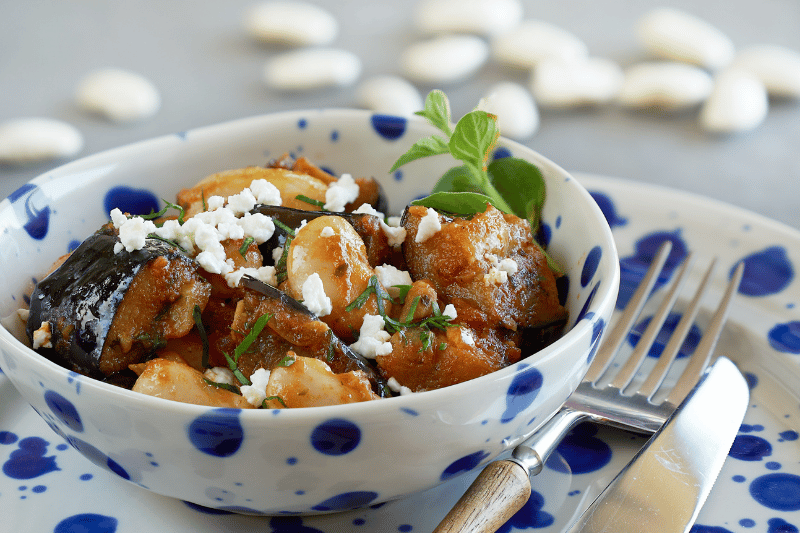

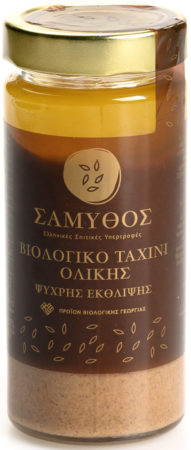
Today, Greeks are observing “Clean Monday”, the start of Greek Orthodox Lent. Tahini, a paste made from sesame seeds, is an important part of the food traditions today but throughout the 40-day fasting period, as well. It is used in lieu of olive oil and to some extent in lieu of dairy, as it is one of the most calcium-rich foods on the planet. In the U.S. tahini is mostly an afterthought—we know it mainly for its use in hummus. But this small (but mighty) sesame seed packs such an amazing nutritional punch that it’s worth a starring role on our table.
As we keep discovering, staples of the Greek diet abound in antioxidants, and this is especially true for the sesame seed. Antioxidants combat chronic diseases like cancer, diabetes, and heart disease. The sesame seeds that make up tahini contain antioxidant fibers known as lignans. Two lignans in particular, sesamin and sesamol, seem to have the most potent health benefits, and numerous studies have found them to have powerful anti-cancer properties. Test-tube studies have shown that these antioxidants can kill colon[1], lung[2], liver[3], and breast cancer[4] cells.
The antioxidants in tahini and sesame seeds are so powerful that there is emerging evidence that they may actually be antibacterial! Although science is just now uncovering these bacteria-fighting effects, some cultures have long used sesame oil for wound care in patients with diabetes. Remarkably, one study found that sesame oil was effective in combatting 77% of the drug-resistant bacteria tested[5]. Amazing! 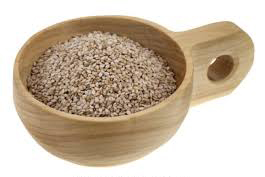
Sesame seed’s antioxidants are also highly anti-inflammatory, which is good news since diseases of inflammation seem to be on the rise. While the research is just beginning, animal studies have shown promising evidence that sesamin can be effective in treating inflammatory conditions like asthma[7], lung disease[8], and rheumatoid arthritis[9].
And the health benefits of tahini extend to other chronic diseases. In a clinical trial, patients with type two diabetes consumed two tablespoons of tahini with their daily breakfast for six weeks while a control group continued their usual diet. At the end of the study, the group that consumed tahini had significantly lower triglyceride levels (a risk factor for cardiovascular disease) compared to those who didn’t [10]. Sesame seeds also contain monounsaturated fats, which reduce the risk of type two diabetes and cardiovascular disease and a host of vital nutrients, including protein, fats, carbohydrates, copper, manganese, calcium, phosphorus, magnesium, iron, and many others.
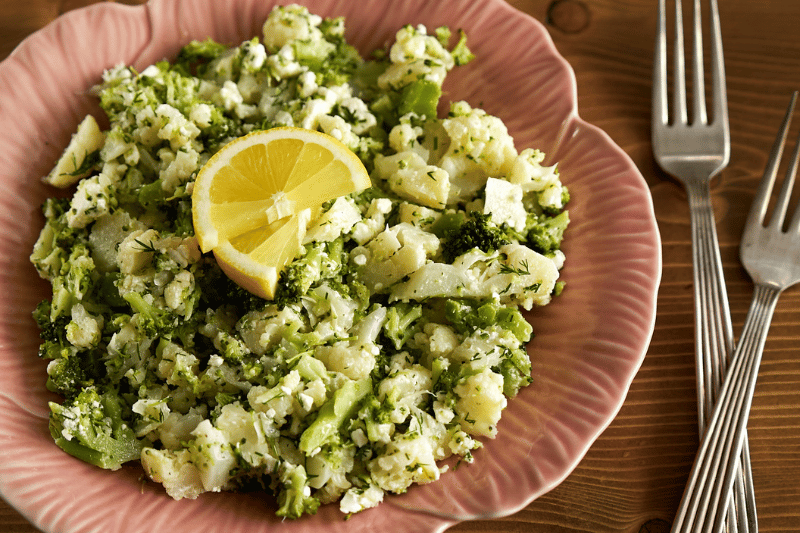
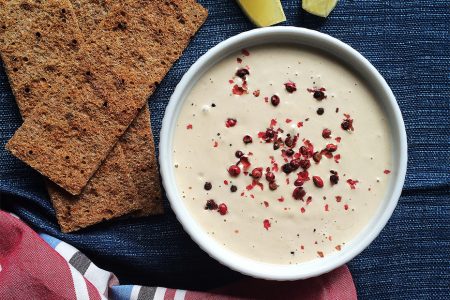
It seems that thousands of years ago, Hippocrates really knew his stuff when he said “Let your food be your medicine, and your medicine be your food.” And luckily for us, eating tahini is much more enjoyable than taking any medicine. It’s delicious as a simple spread on toast, a dressing on salads or vegetables (check out my latest recipes for cauliflower steaks with tahini and broiled broccoli with tahini sauce), and even in a sweet treat like my tahini-walnut phyllo flutes. Far from deprivation, this Clean Monday and Lenten tradition is an excellent step toward robust vitality and health.
 Read about the history of tahini in the Greek kitchen, here.
[1] https://www.ncbi.nlm.nih.gov/pubmed/27328416
[2] https://www.ncbi.nlm.nih.gov/pubmed/27270451
[3] https://www.ncbi.nlm.nih.gov/pubmed/28374807
[4] https://www.ncbi.nlm.nih.gov/pubmed/25987037
[5] https://www.ncbi.nlm.nih.gov/pubmed/23961425
[6] https://www.ncbi.nlm.nih.gov/pubmed/28105144
[7] https://www.ncbi.nlm.nih.gov/pubmed/28105144
[8] https://www.ncbi.nlm.nih.gov/pubmed/26468152