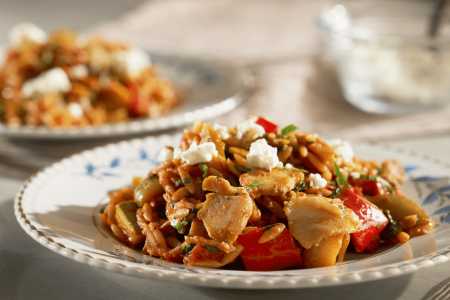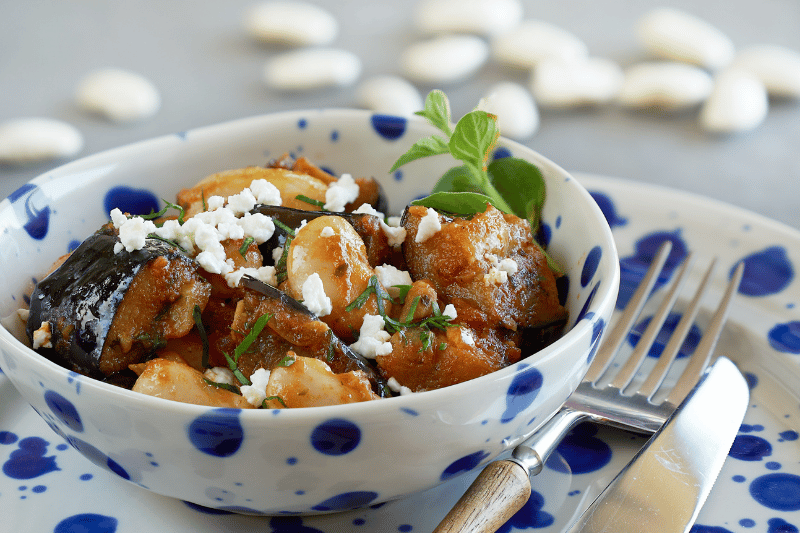

The Mediterranean diet is about certain recipes, yes – but more than that, it’s a mindset that can help you consume healthier foods that are good for your body and mind. It’s not dictated by the rules of what to eat or not eat, but rather by principles that you can follow from anywhere: cut back on meat, avoid processed foods, and load up on 5 Mediterranean diet pillars.
First, there’s olive oil, which is a key component to just about any Mediterranean kitchen, both for incorporating into a saucy main and finishing off your favorite pastas and salads. Next, stock up on all the garden-fresh veggies your kitchen can handle – these will be filled with vitamins, minerals, antioxidants, and plenty of other health benefits! Legumes, grains, and nuts are all easy ways to bulk up any veggie-heavy meal; nuts also help if you’re looking for a nutrition bomb! And by adding in lean proteins, you can still feel full with a low-fat alternative to heavier meats.
The best part? All of these elements can all be found at your local neighborhood supermarket. So read on to find out more about the 5 basic components of the Mediterranean diet and the recipes that best embody them:
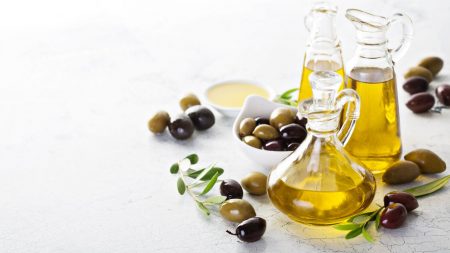
If there’s one item that is practically synonymous with the Mediterranean Diet, it’s probably olive oil. It has been produced in Greece since 3000 BC, and even though it does appear all over the Mediterranean, it’s not a stretch to say that the Greeks approach it a little differently! A lot of extra virgin olive oil here is made by small farms, and their product preserves all the antioxidant compounds that make olive oil so good for you. We Greeks have a whole category of dishes called “ladera”, meaning “in oil”. At their most basic, these veggie-heavy dishes are cooked in olive oil, creating a rich sauce and making for a super filling dish that usually hits the table as a main course. It even gets drizzled with extra olive oil at the end! If you’re looking for a good entry into the ladera world, I recommend starting with this black-eyed peas with chard and olives dish.
Check out my 7-Day Mediterranean Diet Meal Plan
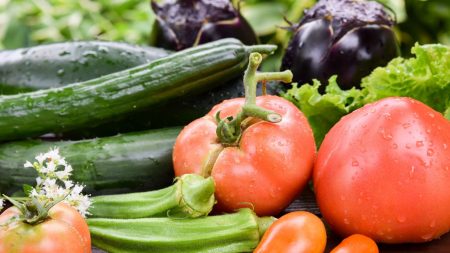
The Greek diet, and of course, that of the Mediterranean more generally, is chock-full of vegetables. Plant-based eating has formed the backbone of the Mediterranean diet for centuries; in fact, in many places, meat is still not the norm. On my island, Ikaria, where people regularly “forget to die,” meat is consumed only about 5 times per month – meaning that much of their protein comes from plant-based sources. Here, we consume seasonal vegetables, literally pulling from whatever is in our gardens or local markets, meaning that it’s always fresh, and always delicious! This classic green bean stew is an excellent example of how veggie dishes can be both hearty and healthy, the perfect main and a great replacement for any meat.
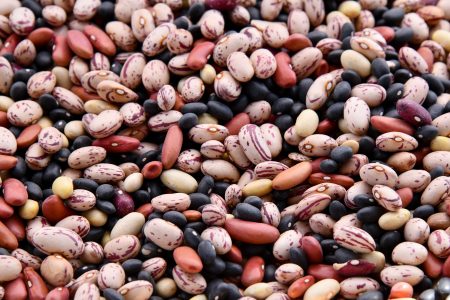
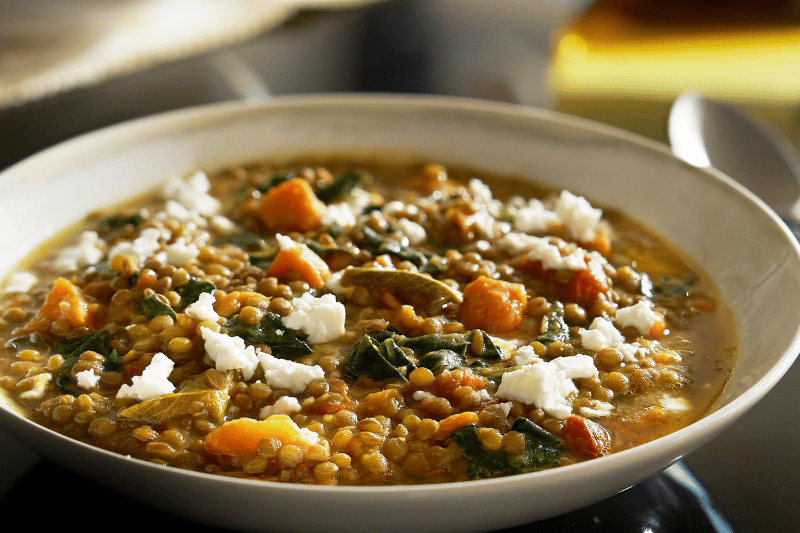
Legumes, beans, pulses – however you want to say it, this food group packs a serious nutritional punch, a simple, healthy, and economical staple that also is a great way to bulk up any salad or veggie dish. And whole grains are a well-known way to add some heft to your everyday dining routine. Oats, brown rice, rye, barley, corn, even pasta – they’re all Mediterranean diet-approved grains, and you’re likely to find them sprinkled across the region. This red lentil soup is actually one of my favorite ways to combine a popular pulse with some of the best spices and flavors you can find in the Mediterranean.
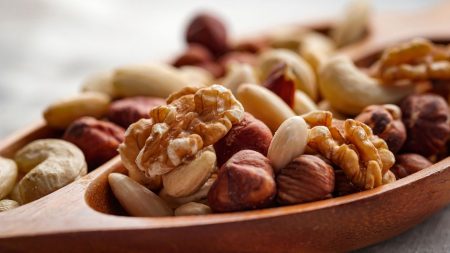
Looking for a nutrient-dense way to take a typical recipe to the next level? Almonds, pine nuts, pistachios, walnuts – all of these are ways to add heart-healthy unsaturated fatty acids, protein, vitamins, and antioxidants to your diet. Even nut butters are a wonderful option, perfect for snacking and more. Nuts can appear in everything from soups and sauces to desserts and pasta dishes, like this tabbouleh salad with walnuts.
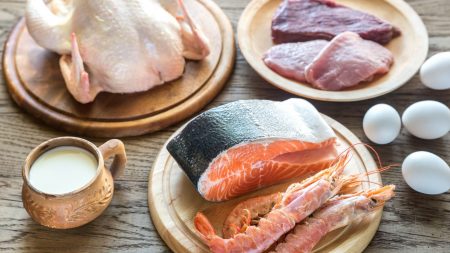
If you’re switching to the Mediterranean diet, you might be curious about how to get enough protein and stay full while still consuming large amounts of vegetables. And there are many good reasons to keep up your protein intake: it regulates a number of body processes, while also helping to manage your weight and keep you feeling full. Luckily, the Greek kitchen is often stocked with healthy dairy and lean protein, like fish, Greek yogurt, and low-fat sheep’s milk and whey cheeses. And while, yes, you can eat the latter two dairy products on their own, why not incorporate them into a recipe in lieu of a less healthy dairy? A prime example: this easy salmon in a Greek yogurt cream sauce.