
I had an epiphany of sorts just the other day at my sister’s house in New York, where we have been spending the holidays. She had just come back from the supermarket, keen, after a little sisterly nagging, on trying to work more vegetables into the family diet. (Mind you, we grew up in the same house, with the same parents, who cooked every day and who insisted we sit down together and eat whatever was on the menu, no exceptions.)
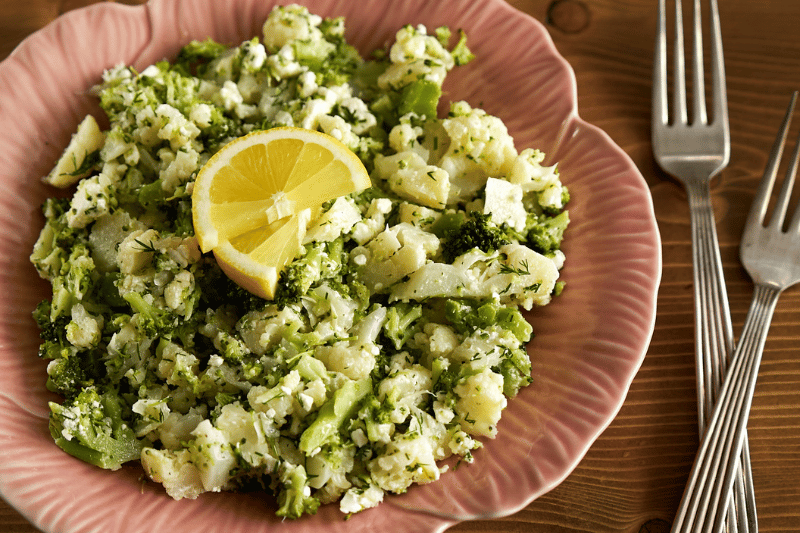
I stood with mouth agape as she pulled from the grocery bags package after package of pre-cut vegetables, rice-and-bean mixes, canned beans, and other convenient “healthy” foods. The clincher was a bag of shredded broccoli stalks. I had just, in fact, made a salad in my home kitchen in Greece by cutting away the stalks and passing them through the grating mechanism in my food processor. They were tender and fresh and deliciously grassy. I tossed them with ginger, grated carrots, herbs and olive oil and the salad was our lunch. These, by contrast, were tough, woody, and, of course, tasteless. They were also pre-mixed with equally insipid grated carrots, too. Yuk.
“Why don’t you just grate that yourself with fresh broccoli?” I asked her.“Are you kidding? Who has time for that?” she answered. “But did you know that most pre-cut vegetables are dipped in a chlorine wash so that they keep longer. And they have way fewer nutrients than the same vegetable bought fresh?” “Hey, you want dinner or not?” I retreated, but still want to convince her that eating real food is easier than she thinks.
If there is something inherently wrong with our food supply in the US (and there is), my sense is that it starts here, with the mind-bogglingly misplaced belief in and total devotion to convenience.
Here are a few simple tips, culled from a common-sense approach to cooking that years in Greece and the Mediterranean have taught me:
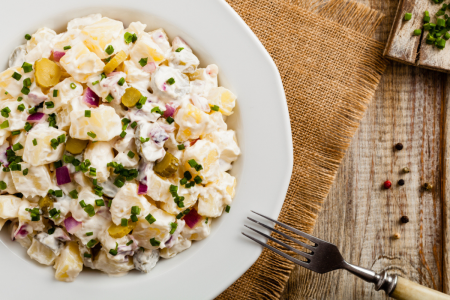
Tip # 1: Shed pre-cut notions, pun intended, from your diet. In other words, buy it fresh and chop it. It’s easy and can even be therapeutic, like hugging trees and meditating because a) you’re touching something natural and b) you’re focusing, even if for a few minutes, on the rhythm and repetition of chopping.
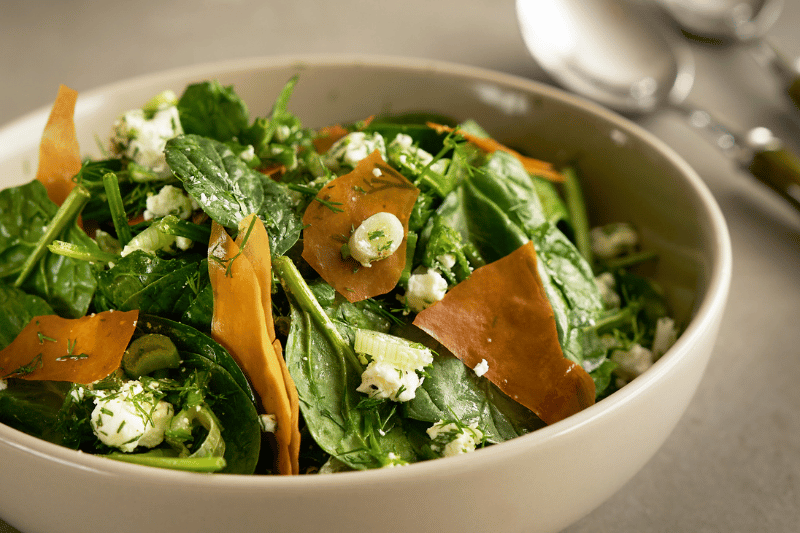
Tip # 2: Create your own mix-and-match template of regular weekly raw ingredients you can use to create countless meals. For me, these include a few absolute basics like olive oil, vinegar, onions, and garlic, then the second-tier main ingredients such as 1) any leafy green that’s in season; 2) anything in the cabbage family now in wintertime (cauliflower, broccoli, bok choy, cabbage, Brussel sprouts, etc.) 3) pulses 4) good quality canned tomatoes (the only canned vegetable I buy) 5) basic grains, such as whole wheat pasta, quinoa, rice. Everyone should have a spice and dried herb drawer. With these few things, you can create a whole year’s worth of menus!

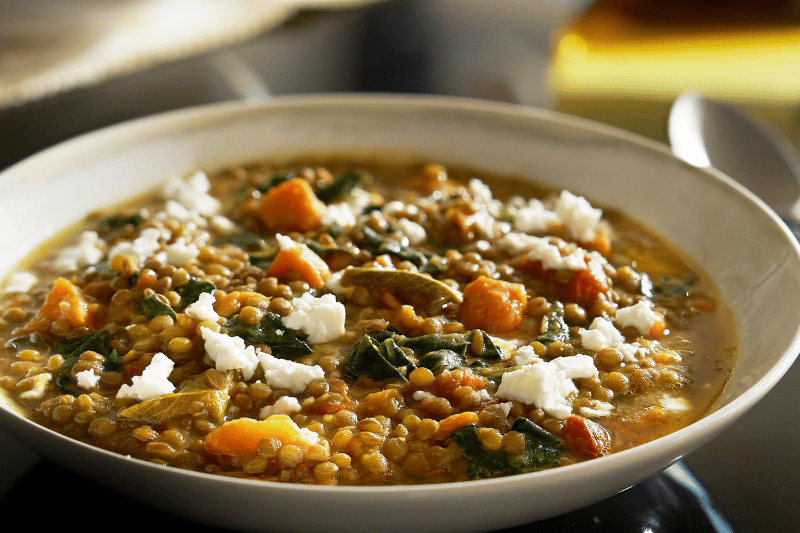
Tip # 3: Go for the easy pulses. Lentils, yellow and green split peas and black eyed peas are all great sources of protein and wonderfully versatile foods. But best of all, they don’t need to be presoaked, something people seem to believe is uber-inconvenient. All of these easy pulses can be tossed or simmered with almost anything that’s green and leafy, or anything that’s on the above list of basic ingredients.
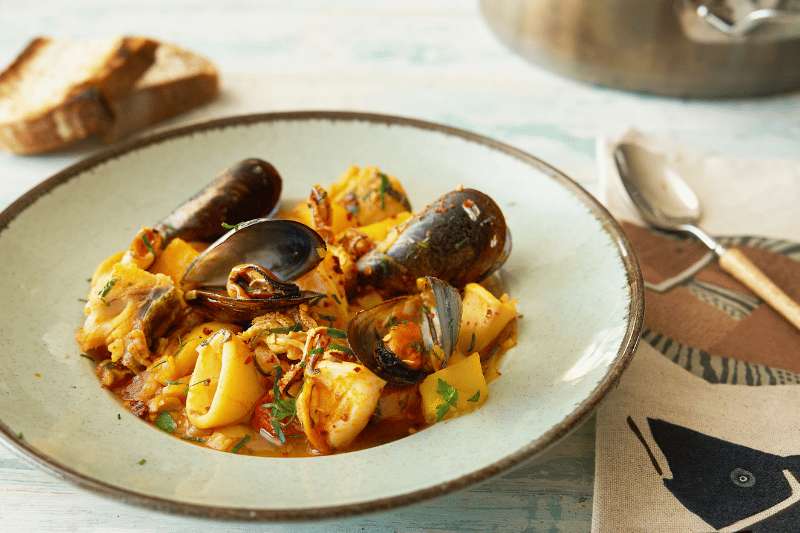
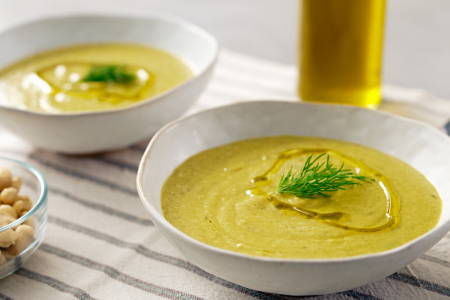
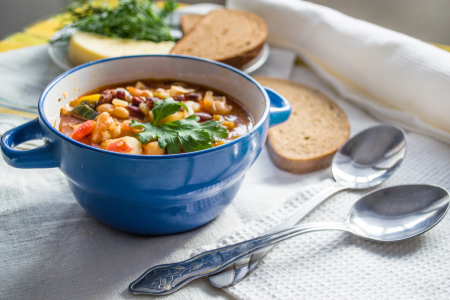
Tip # 4: Make soup! Soups are the easiest way to incorporate vegetables into our diet and all you really have to do is chop a bunch of veggies (including onions), boil’em up in water, add a filler like rice or small pasta if you like, and drizzle the end result with a little olive oil and something acidic like vinegar. You can push the limits of the culinary skill set by sautéeing the veggies first, then adding water, enriching with a little wine, or even pureeing the whole lot at the end to make something silky and soothing.
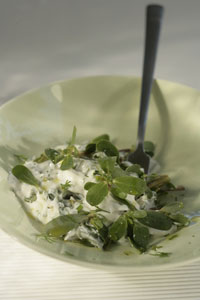
Tip # 5: Think savory about Greek yogurt as a perfect foil to all sorts of boiled, steamed or roasted vegetables. Remember those addictive but horrible French onion dip packets mixed with sour cream when we were young? Think of this as the evolution. Greeks traditionally eat yogurt as their evening meal, and often mix it with the likes of simmered or sautéed greens and heartier vegetable fare, too. A simple pasta and vegetable dish tossed with Greek yogurt and drizzled with good olive oil takes less than 12 minutes to prepare. Yum.