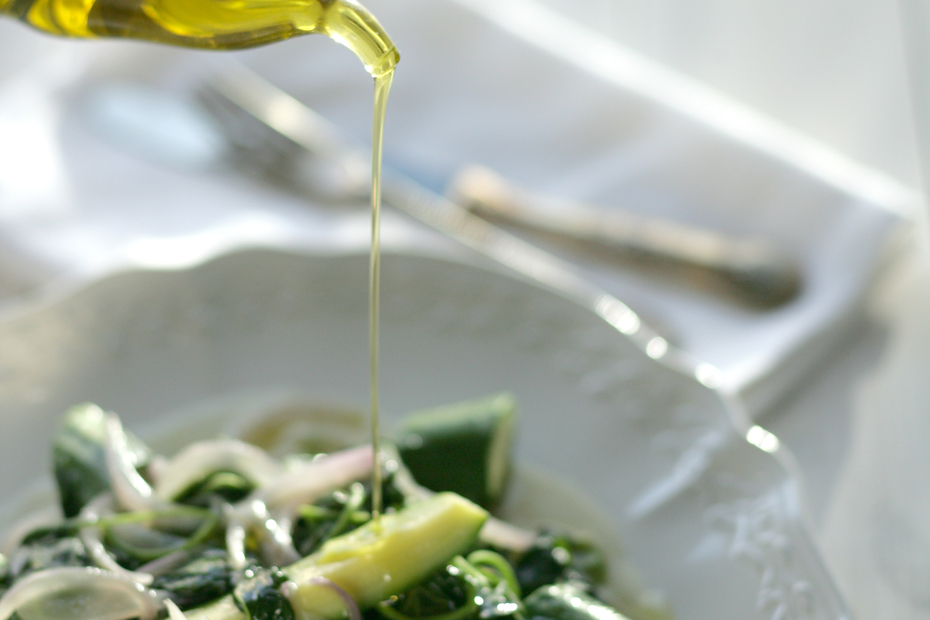
Greece is fortunate to have one of the best climates in the world, one in which ample sunshine helps produce some of the tastiest fruits and vegetables. Because raw ingredients—from garden to grove to field to sea—are delicious in their own right in Greece, Greek cooking has evolved in such a way so that there […]
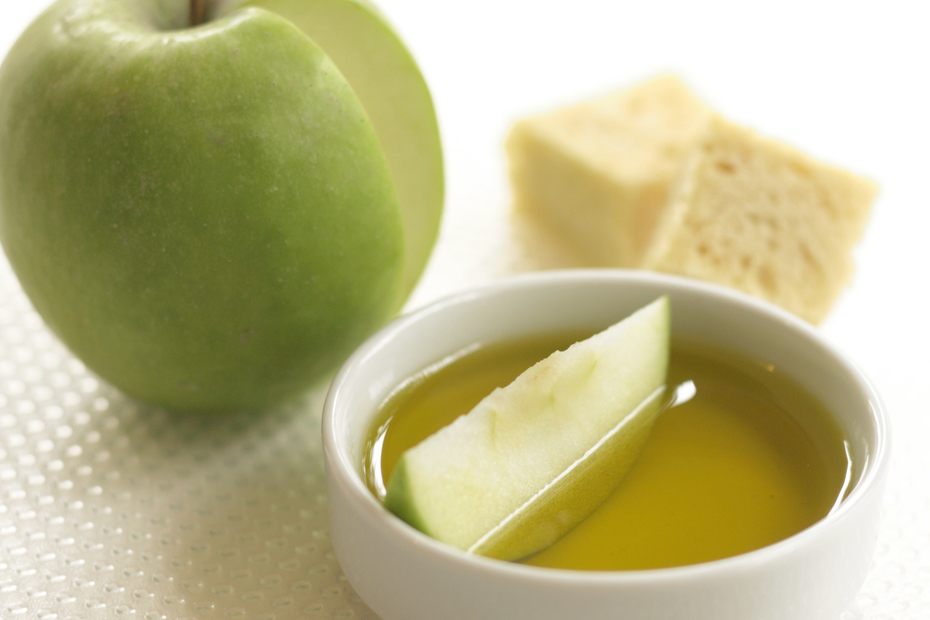
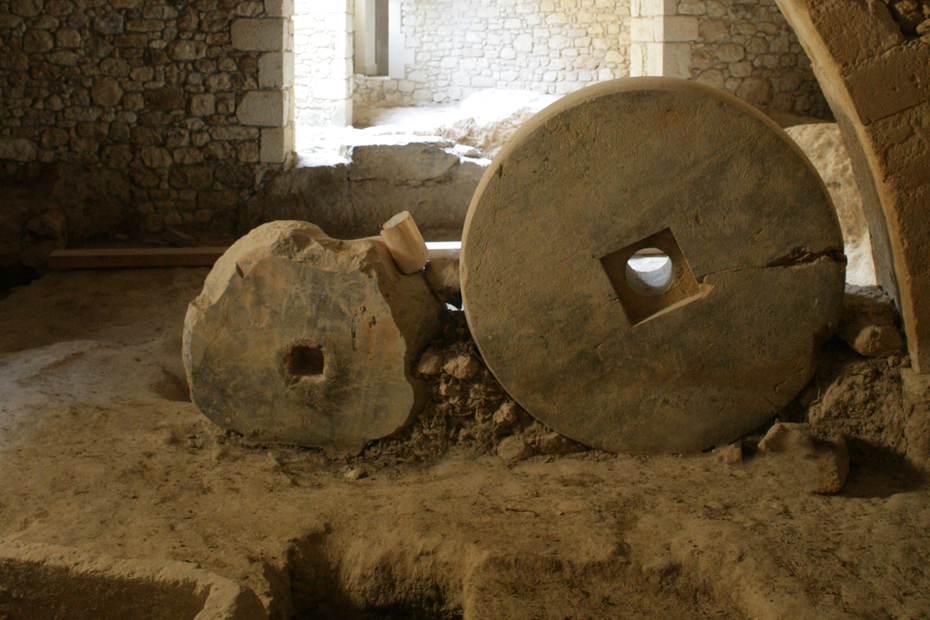
Most olive oil in Greece is extracted by the centrifugation method. There are still in existence oil mills using pressure for the extraction of oil, called classical oil mills. The term ¨First pressing¨ refers to oil received from such mills. The pulp still contains part of the oil and it was used to be subjected to second pressing, hence, […]
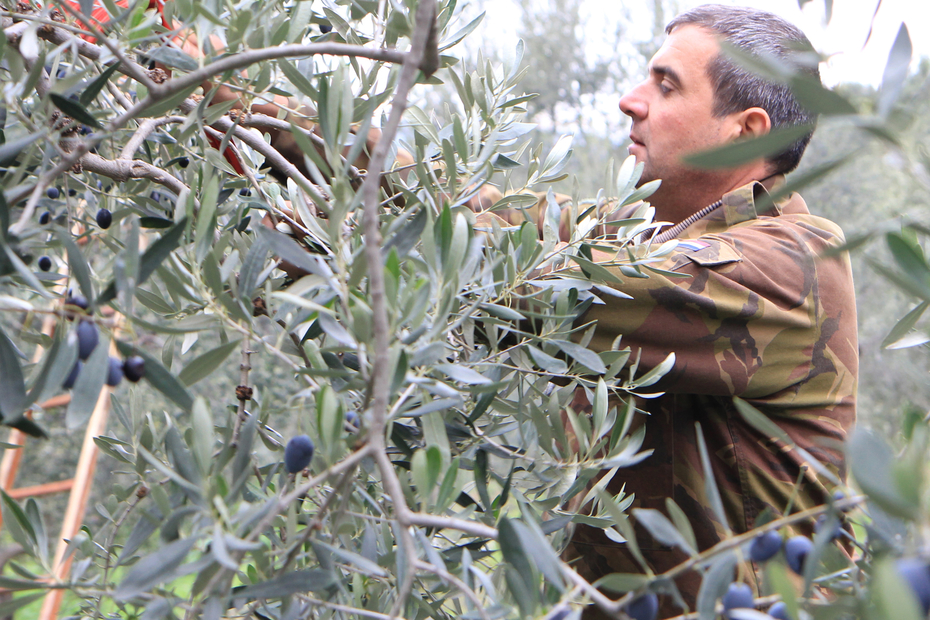
While the unique qualities of the Greek climate and soil are seminal to the ultimate quality of its olive oil, so too is the manner in which Greek olives are harvested and crushed. In some places, the olive harvest starts as early as October, when the fruit is still not fully mature. The oil from […]
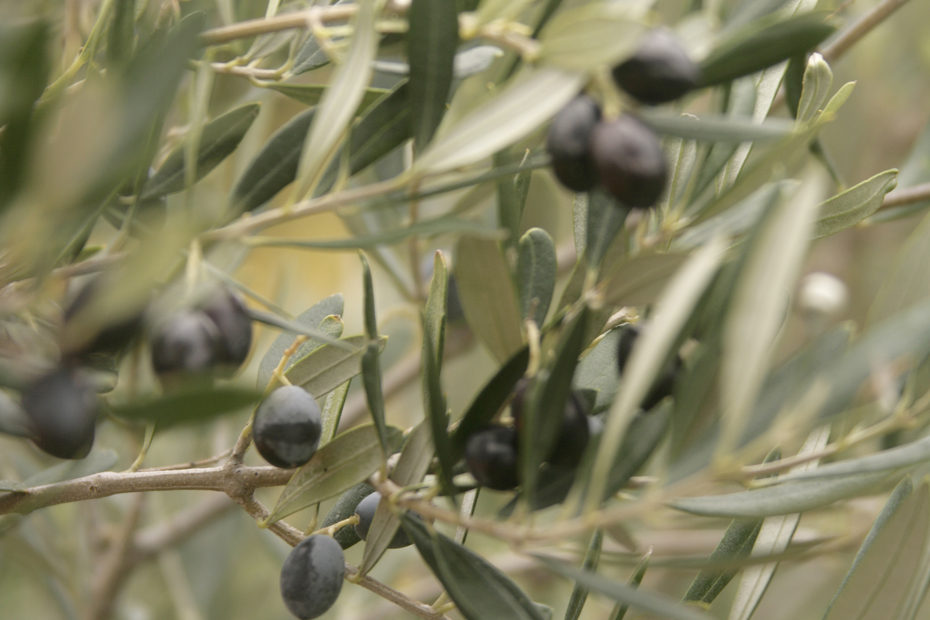
Greece is a mountainous country with few plains. Most olive trees grow perilously on pezoules (terraces), their trunks swept by the meltemi sea winds, their roots deeply imbedded in the almost dry land, their branches stretching out to the scorching sun and the strong rain. The approximately 140 million olive trees that blanket Greece thrive […]
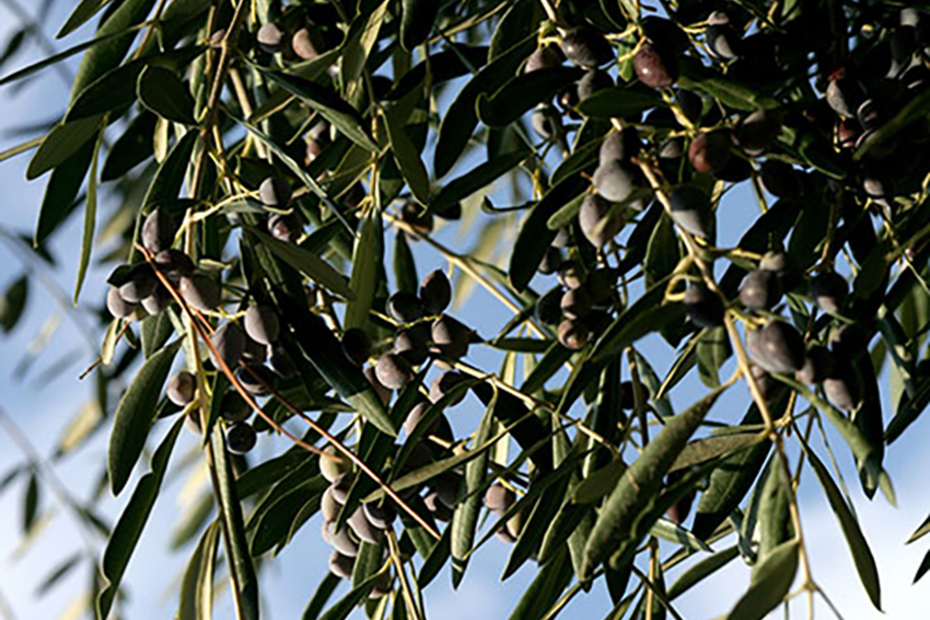
Thanks in part to the long history of the olive tree in Greece, there are many varieties of olives. Most are either exclusively oil olives or table olives, although there are a few varieties that be processed both as table olives and pressed for oil. According to the weight of the fruit the varieties are […]
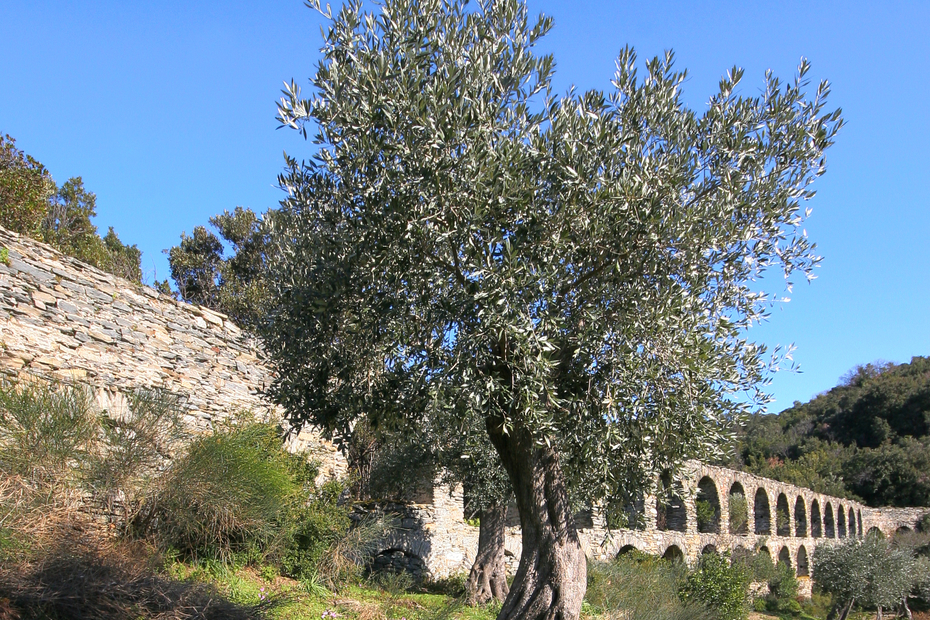
The olive, whose botanical name is Olea, belongs to the family of Oleaceae and includes some 30 species. Nowadays it is cultivated not only in its birthplace, the Mediterranean, but also around the world and notably in the U.S., China, Australia and Argentina. The olive tree is a hardy evergreen that grows as high as […]
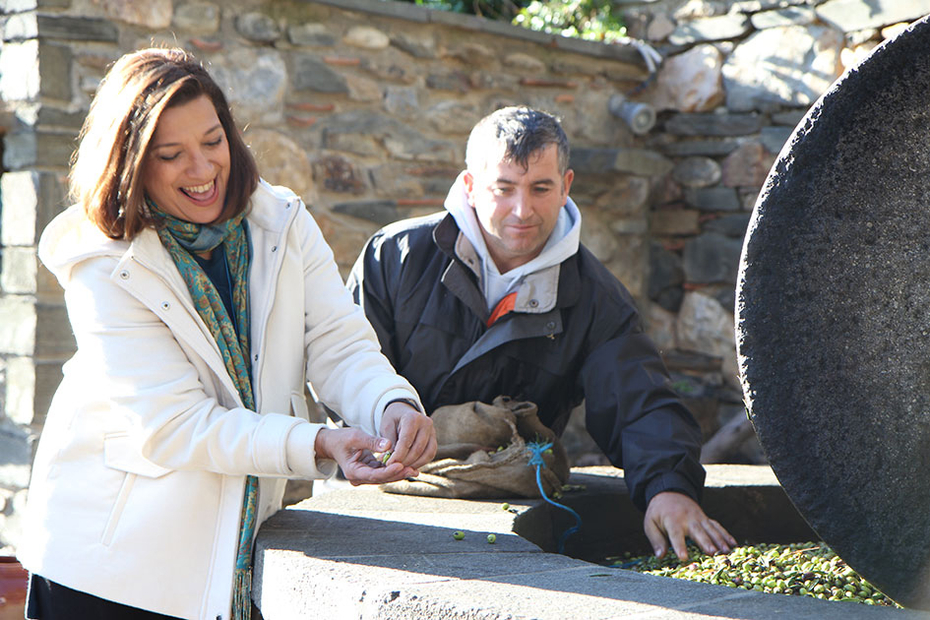
In Greek popular culture, olive oil is no less significant. For one, so deeply rooted is olive oil in the Greek psyche, that we don’t even bother qualifying it—Greeks use the generic word «oil» to refer to olive oil. «To oil one’s intestines» in Greek means simply to eat something nourishing. Greeks even think of […]
The sacred trait the olive tree enjoyed from antiquity was in the early Christian era, transferred to its product olive oil. Olive oil is mentioned both in the Old and New Testament. It became a mystical element. The most important of the sacraments, that of baptism, which seals the baptised as a servant of God, […]
The olive trees of Greece have been destroyed many times during her long history. In wartime they were always among the first thing that the enemy attacked, as a way to drive the country to starvation. After the Greek War of Independence in 1821 and later on during the First and Second World Wars, whole […]
The Greek presence in Italy had a decisive impact on the development of the area. Greek ideas, religion, art, and knowledge all predominated on the Italian shore eventually to be adopted by the Roman Empire which ultimately conquered Greece. From the Greco-Roman colony of Byzantium, yet another empire sprang, the Byzantine, and the humble Greek […]
