All over the Mediterranean, small, savory plates of food enjoyed in a convivial atmosphere make for one of the region’s basic dining experiences. Known widely now as tapas, antipasto, merende, even hors d’oeuvres, these tidbits comprise a whole pan-Mediterranean culture: that of sharing food and drink with friends in an unrushed, unharried environment. In Greece […]
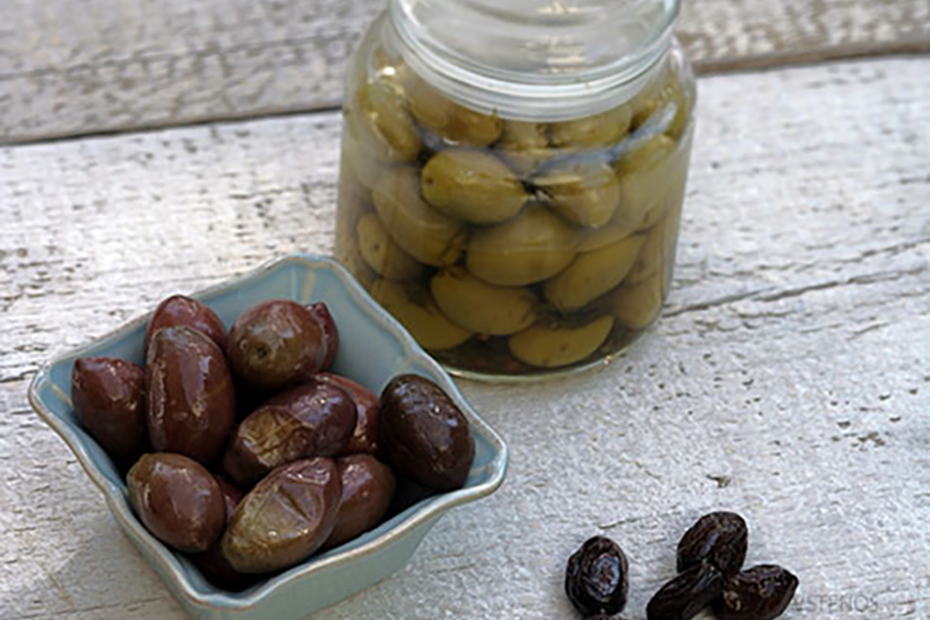
Most consumers recognize Greek table olives either by their place names (Kalamata, Atalanti, Amphissa, Halkidiki, etc.) or by their curing and processing (cracked, split, salt-cured, brine-cured, etc.) While there are dozens of “different” kinds of olives, only three main varieties are commercially important as table olives. The confusion starts here—these few types of olives just […]
Greeks say “I ate bread and olives with him,” to denote an act of friendship. The olive branch is the universal symbol of peace. Like no other fruit, the olive is responsible for shaping an entire civilization. Its history is long and illustrious, and the legends surrounding it are rich and splendid. Mostly, though, literature […]
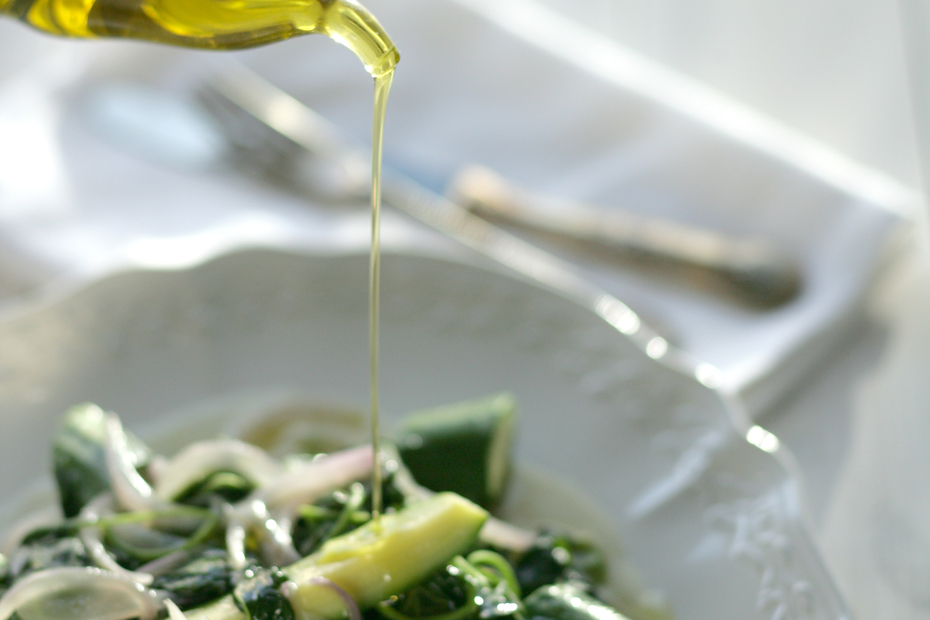
Greece is fortunate to have one of the best climates in the world, one in which ample sunshine helps produce some of the tastiest fruits and vegetables. Because raw ingredients—from garden to grove to field to sea—are delicious in their own right in Greece, Greek cooking has evolved in such a way so that there […]
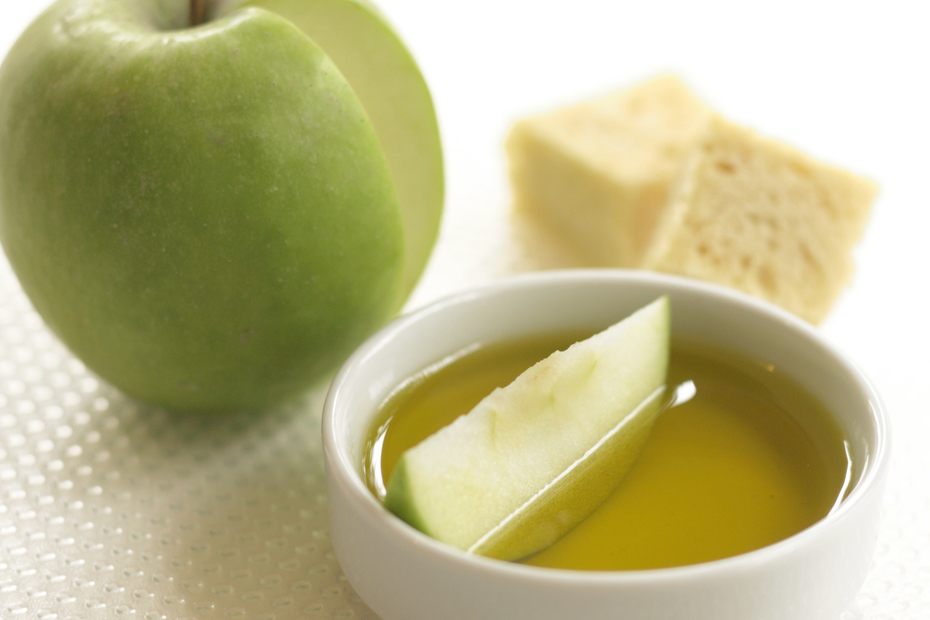
Most olive oil in Greece is extracted by the centrifugation method. There are still in existence oil mills using pressure for the extraction of oil, called classical oil mills. The term ¨First pressing¨ refers to oil received from such mills. The pulp still contains part of the oil and it was used to be subjected to second pressing, hence, […]
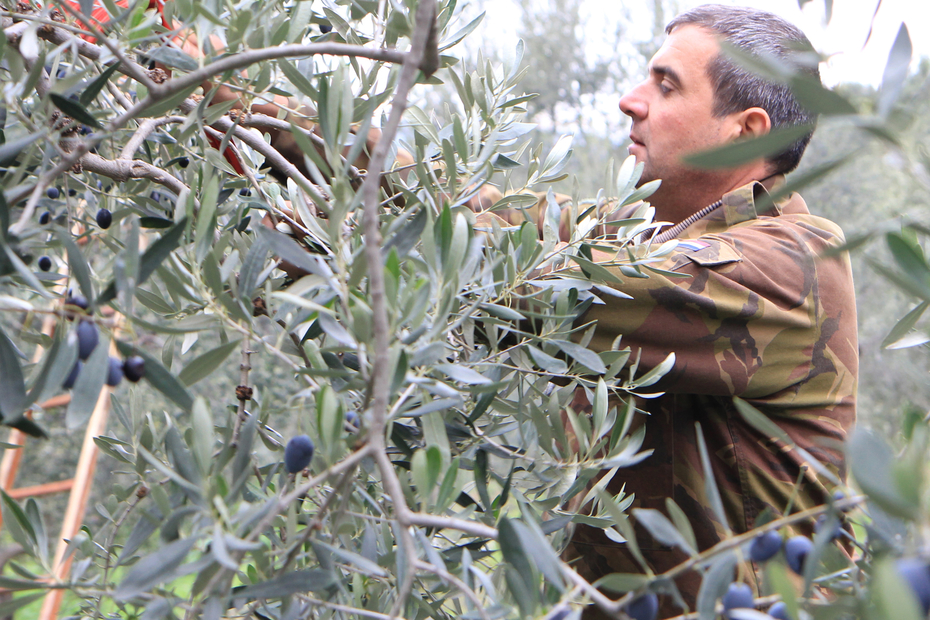
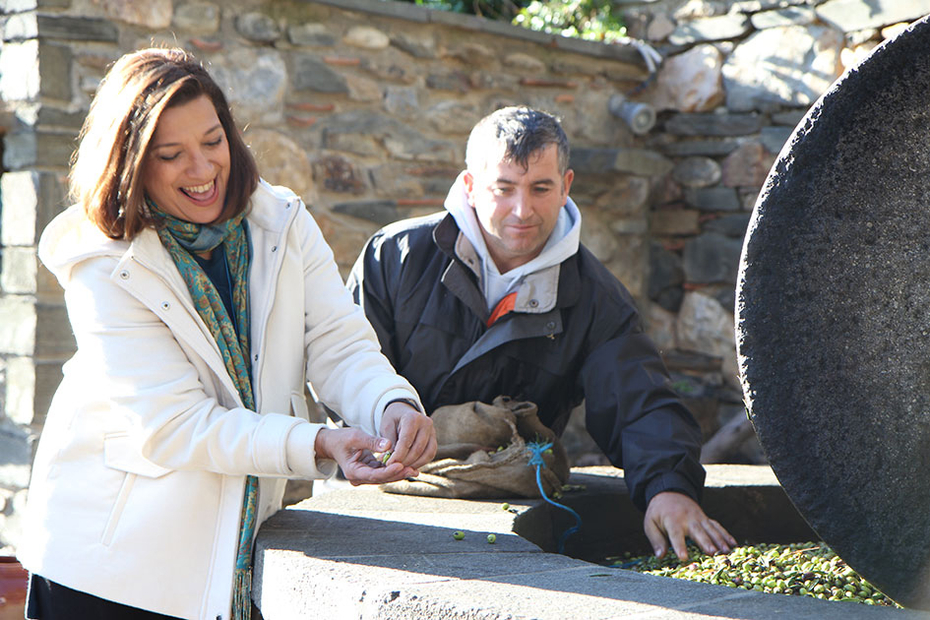
While the unique qualities of the Greek climate and soil are seminal to the ultimate quality of its olive oil, so too is the manner in which Greek olives are harvested and crushed. In some places, the olive harvest starts as early as October, when the fruit is still not fully mature. The oil from […]
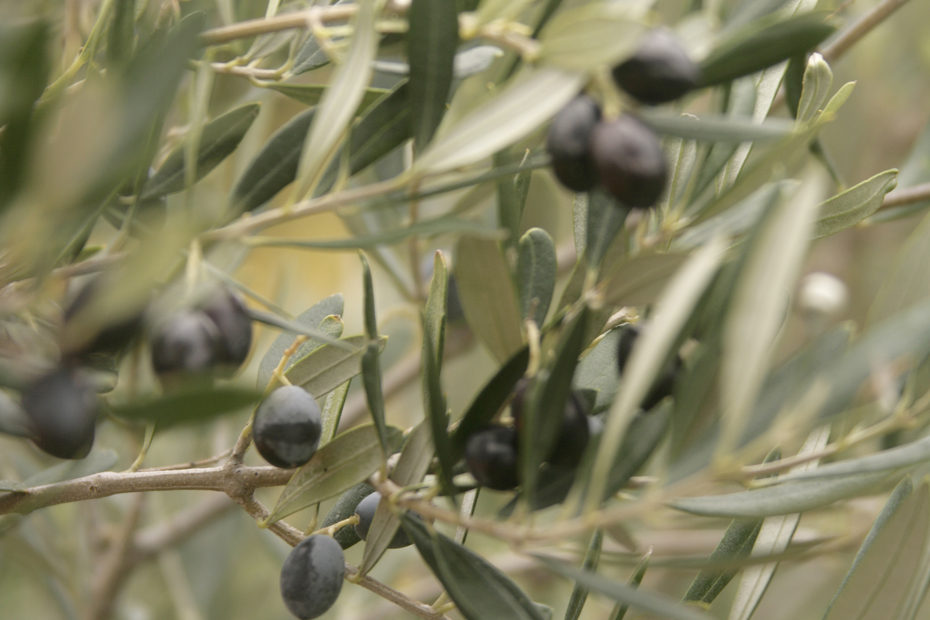
Greece is a mountainous country with few plains. Most olive trees grow perilously on pezoules (terraces), their trunks swept by the meltemi sea winds, their roots deeply imbedded in the almost dry land, their branches stretching out to the scorching sun and the strong rain. The approximately 140 million olive trees that blanket Greece thrive […]
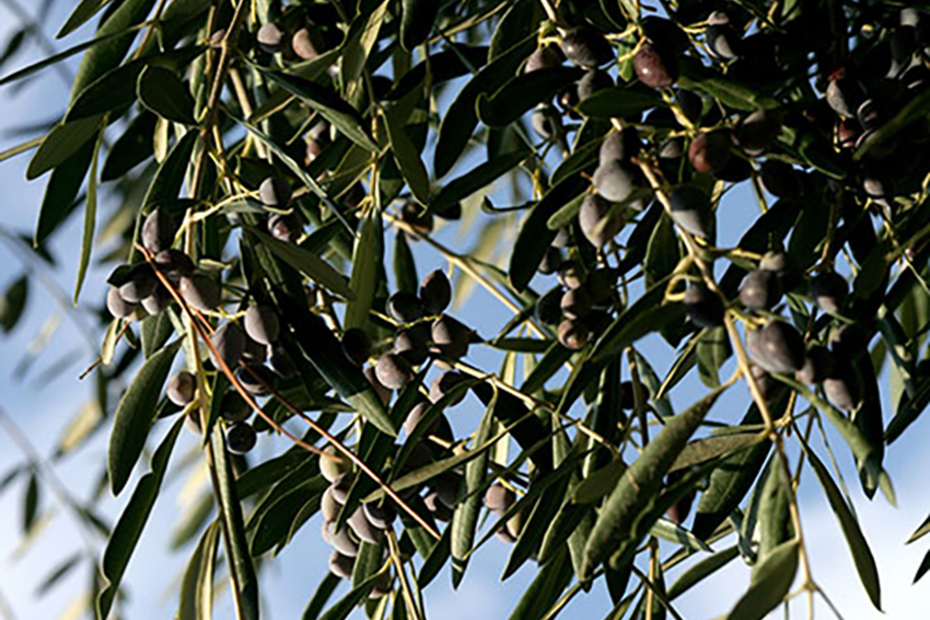
Thanks in part to the long history of the olive tree in Greece, there are many varieties of olives. Most are either exclusively oil olives or table olives, although there are a few varieties that be processed both as table olives and pressed for oil. According to the weight of the fruit the varieties are […]
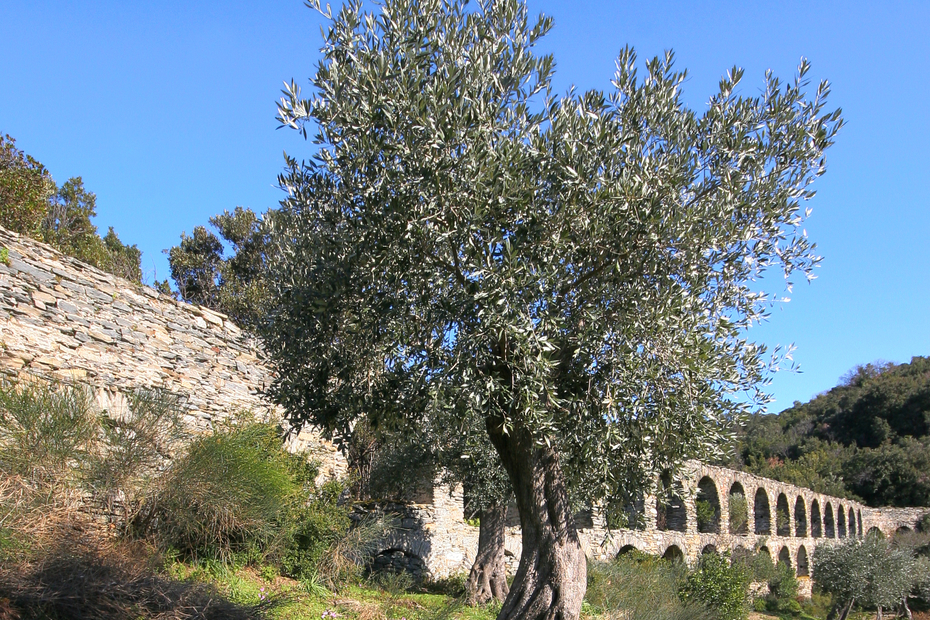
The olive, whose botanical name is Olea, belongs to the family of Oleaceae and includes some 30 species. Nowadays it is cultivated not only in its birthplace, the Mediterranean, but also around the world and notably in the U.S., China, Australia and Argentina. The olive tree is a hardy evergreen that grows as high as […]
In Greek popular culture, olive oil is no less significant. For one, so deeply rooted is olive oil in the Greek psyche, that we don’t even bother qualifying it—Greeks use the generic word «oil» to refer to olive oil. «To oil one’s intestines» in Greek means simply to eat something nourishing. Greeks even think of […]
